Free Shipping on US Orders Over $149
Save 25% with code: BlackNov26
30-Day Money-Back Guarantee
Free Shipping on US Orders Over $149
Save 25% with code: BlackNov26
30-Day Money-Back Guarantee
Free Shipping on US Orders Over $149
Save 25% with code: BlackNov26
30-Day Money-Back Guarantee
Free Shipping on US Orders Over $149
Save 25% with code: BlackNov26
30-Day Money-Back Guarantee

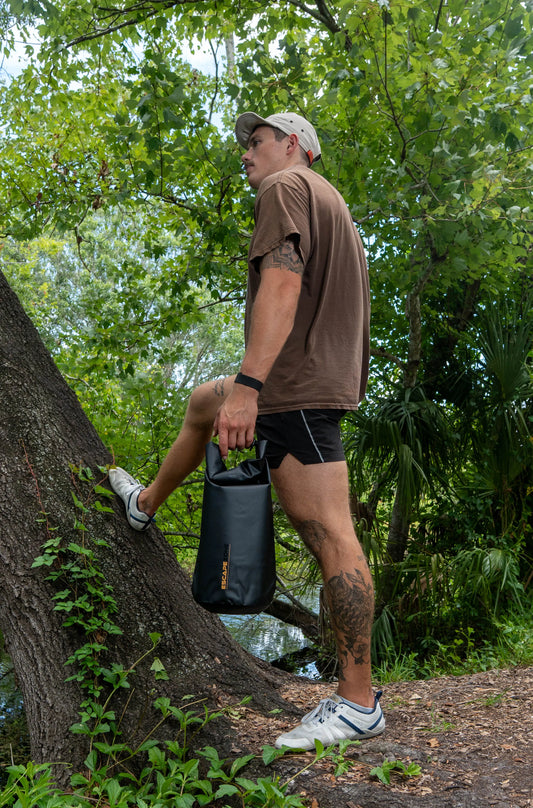

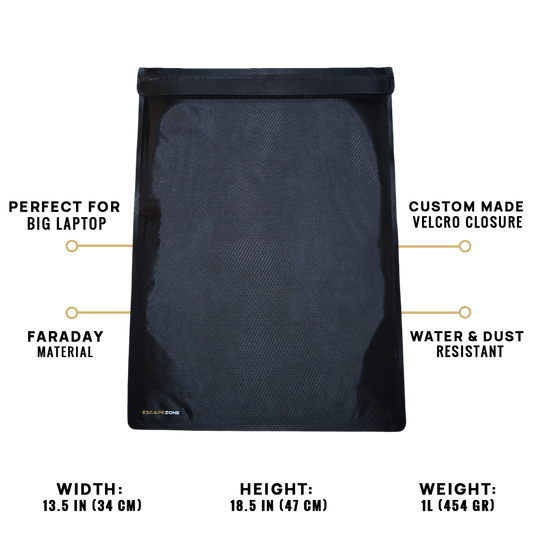

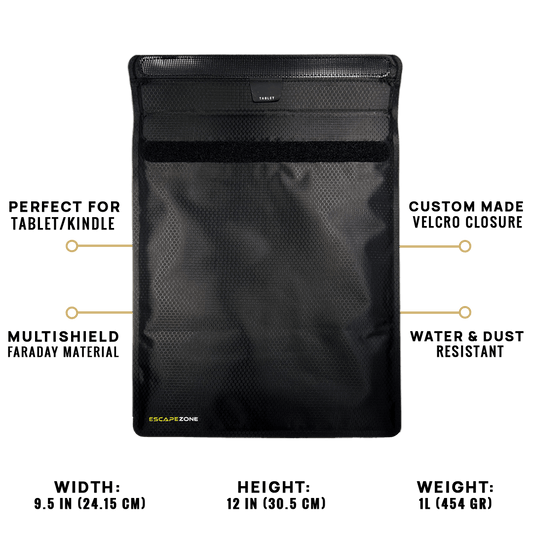

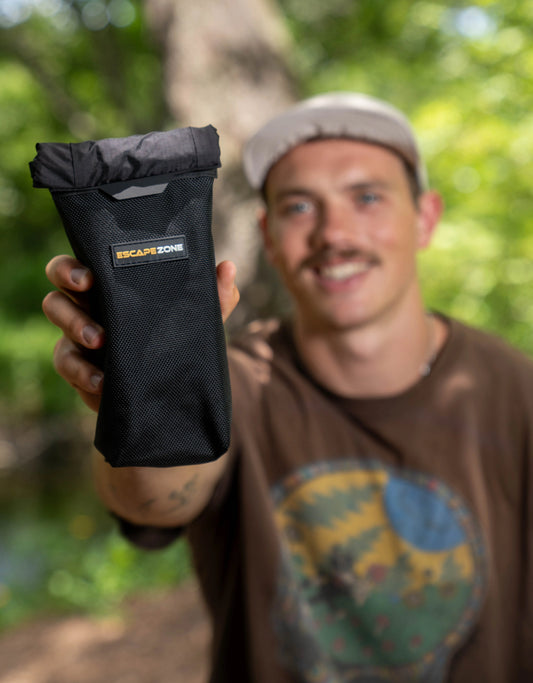

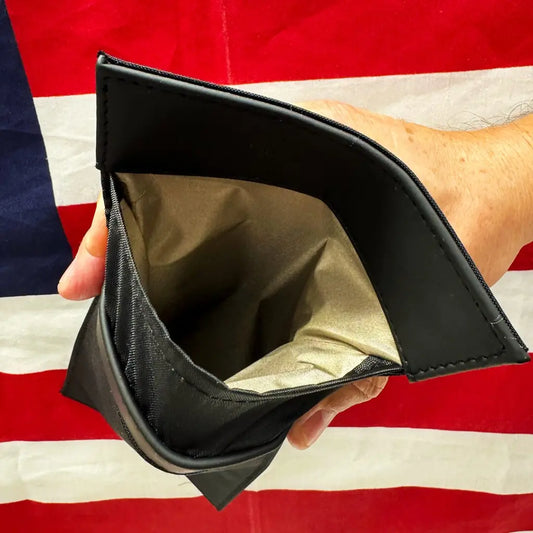

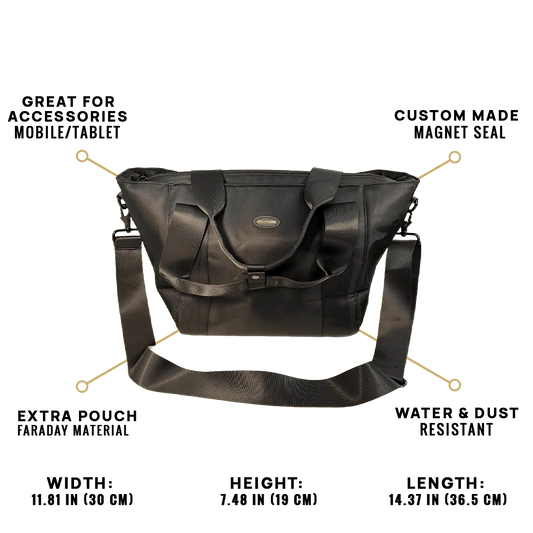

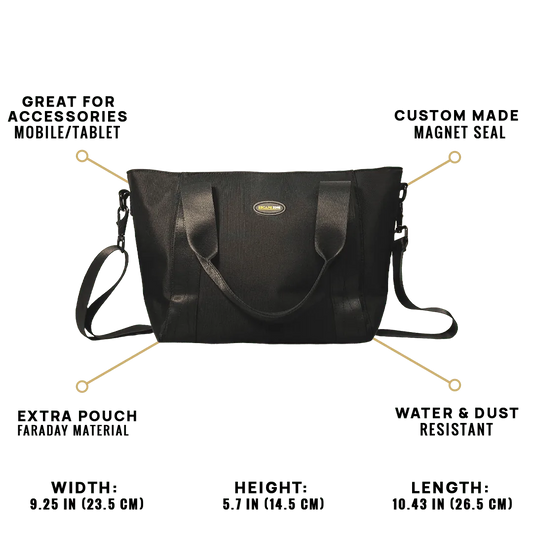


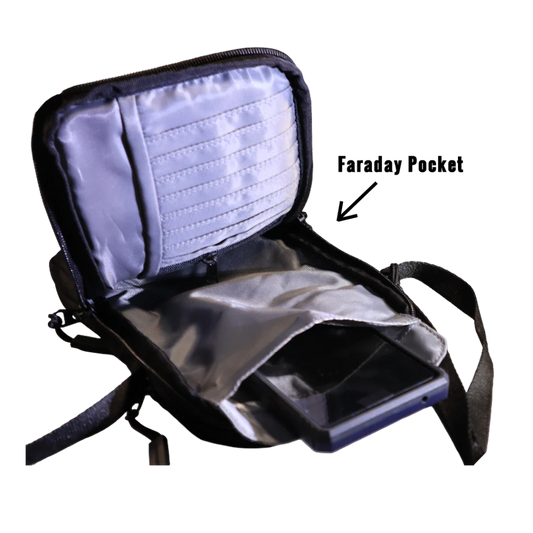

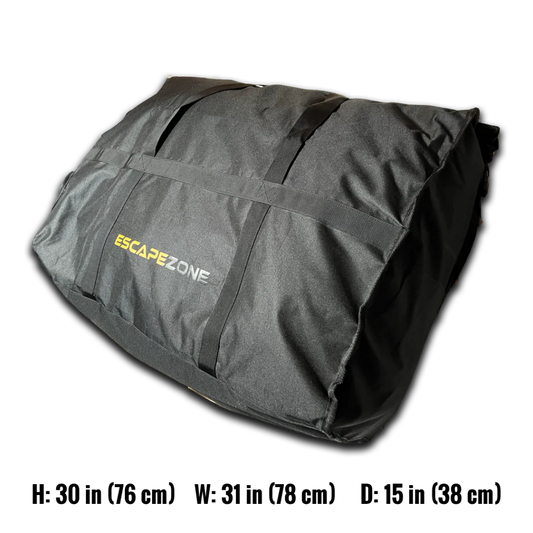

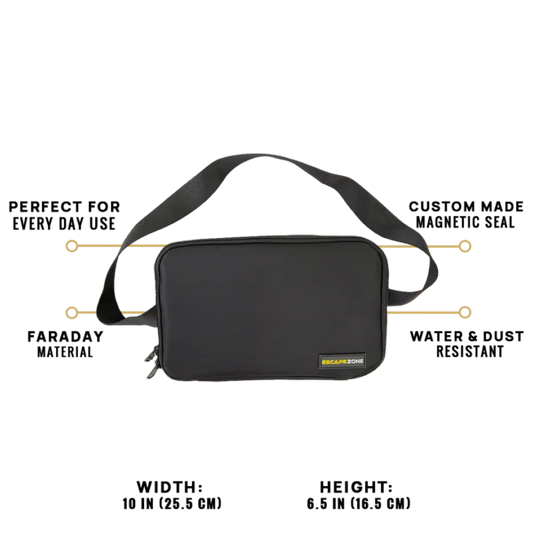

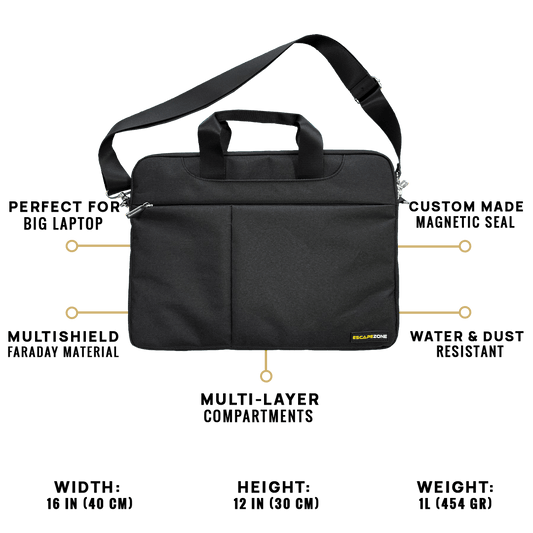


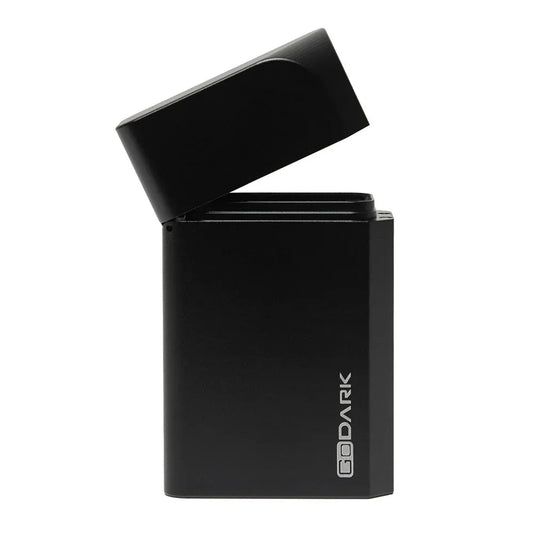
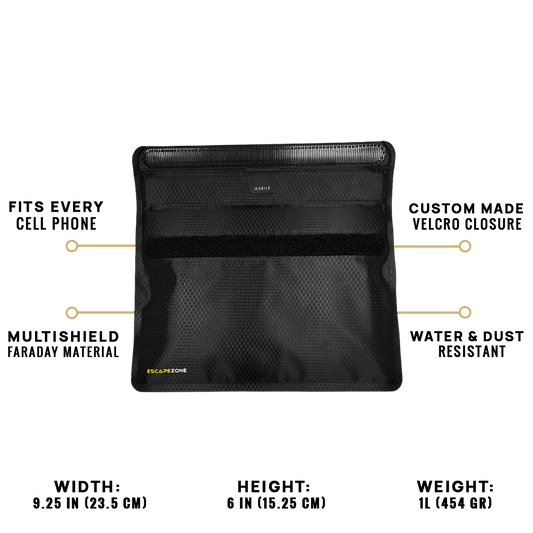
Spec-built faraday bags that block cellular, Wi-Fi, Bluetooth, GPS, RFID and NFC — phone sleeves to duffles.
Yes. A faraday bag surrounds your device with layers of conductive fabric that absorb and reflect radio waves — the same physics as a Faraday cage. EscapeZone bags are spec-built across the frequencies phones, cars and card readers actually use: cellular including sub-6 GHz 5G, Wi-Fi, Bluetooth, GPS, RFID and NFC. How to test yours at home →
Everything your device uses to talk to the outside world: cellular signal, Wi-Fi, Bluetooth, GPS, RFID and NFC. Sealed inside, a phone can't be called, tracked, pinged or remotely wiped, and cards can't be skimmed.
Yes. Keyless-entry theft works by relaying your fob's signal to your car from a distance. A sealed faraday pouch blocks that signal entirely, so there is nothing to relay or clone.
Seal your phone inside, then call it from another phone and try sending it a message. If the bag is working, the call won't connect and nothing arrives until you take the phone out. You can also watch Bluetooth and Wi-Fi drop off a paired device.
While a device is sealed inside, it can neither receive GPS satellite signal nor report its position over cellular or Wi-Fi — so live tracking stops. Location history resumes only once the device comes back out.
Faraday shielding is the standard civilian precaution for electromagnetic-pulse readiness. EscapeZone bags are tested for radio-frequency attenuation across wide frequency ranges, and many customers use them to store backup radios, drives and spare phones.
Join the EscapeZone list for field notes, new gear and subscriber-only offers. Your code arrives instantly.
Use this code at checkout for 25% off your first order. A welcome email is on its way.